
When real estate disputes arise, they usually don’t happen during escrow. It happens after the buyer moves in. Nearly 90% of buyer–seller disputes happen post-closing, long after keys are exchanged and the excitement has worn off.
The biggest reason? Buyers discover problems they believe should have been disclosed.
This article explains why these disputes happen, why an “As-Is” clause doesn’t offer the protection most people think, and what buyers, sellers, and agents can do to avoid ending up in a lawsuit.
The #1 Cause of Lawsuits: Undisclosed Issues
Post-closing claims almost always follow the same pattern:
“We weren’t told about this.”
Examples:
- A prior leak the seller “thought was no big deal”
- Old water damage behind walls
- Unpermitted work
- Mold or moisture issues
- Pest damage
- Drainage or foundation problems
- Electrical or plumbing issues
- Repairs that were done incorrectly or cheaply
California sellers must disclose anything they know that could affect the value or desirability of the property even if the seller thinks the issue is small or was already “fixed”. If a buyer later finds something serious that wasn’t mentioned, it can quickly turn into a legal dispute.
Why “As-Is” Doesn’t Protect Sellers or Agents
A common misconception is that an “As-Is” clause in real estate means what it means in other transactions, like buying a used car: no warranties, no responsibility. But real estate is different. An “As-Is” clause does not protect a seller who fails to disclose known defects.
An ‘As-Is’ clause does not relieve a seller or agent of the duty to disclose known material defects, including hidden conditions or prior problems that were repaired but could still affect the property.
Sellers and agents still must:
- Disclose known defects
- Disclose anything they notice or know
- Provide accurate Transfer Disclosure Statement/Seller Property Questionnaire forms
- Recommend the buyer get proper inspections
- Be truthful about the property’s condition
Buyers Also Sue Agents — Not Just Sellers
Many disputes end up including claims against the agents. Buyers often argue their agent:
- Downplayed red flags
- Relied too heavily on what the seller said
- Didn’t recommend inspections
- Should have known about certain conditions
This is especially common in dual-agency transactions, where one agent represents both sides and the buyer later feels their interests weren’t adequately protected.
Buyers Often Miss Red Flags — But That Doesn’t End the Dispute
It’s also very common for buyers to:
- Skim disclosures
- Ignore recommendations in inspection reports
- Skip inspections in a competitive market
- Miss hints about past repairs
- Overlook signs of water intrusion
- Assume small issues won’t turn into big ones
Even when buyers miss clues, disputes still happen because buyers expect sellers and agents to be completely upfront about what they know, not just what is visible.
Why These Disputes Blow Up After Move-In
Moving into a new property is stressful. When buyers discover a surprise defect, emotions run high.
Sellers often say, “We didn’t know about it.”
Buyers often say, “There’s no way you didn’t know.”
Agents get caught in the middle.
Suddenly, what started as excitement about a new home becomes a disagreement over:
- Who knew what
- When they knew it
- Whether it was disclosed
- How much it will cost to fix
These disputes can quickly turn into legal claims that involving sellers, buyer’s agents, listing agents, inspectors, and sometimes contractors.
How Buyers Calculate Damages
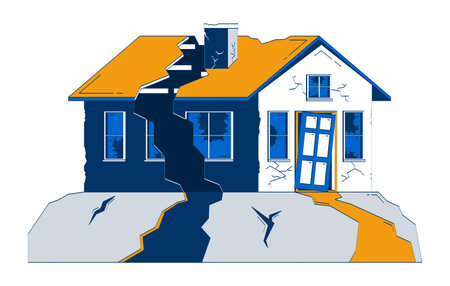
When a buyer sues, they usually claim one of two things:
The home is worth less than what they paid (because of the undisclosed issue), or the cost to repair the problem is significant.
These numbers can be much higher than buyers expect, which is why the disputes often become aggressive.
How to Avoid Becoming Part of a Future Legal Complaint
For Sellers
- Disclose everything you know, even if you think it’s minor
- Don’t assume “As-Is” protects you
- If something was repaired, disclose the repair (without guaranteeing it is corrected) and the underlying problem
- Tell your real estate agent everything
- Document as much as possible
- Make the real estate agents earn their money, rely on them and their in-house counsel to help guide you through the process on how to fill out the forms, disclosures, interpreting reports
For Buyers
- Read all disclosures carefully
- Don’t skip inspections, even in a competitive market
- If an inspector recommends a specialist, follow through
- If you even have any question about whether something should be disclosed, disclose it out of the abundance of caution
- Invite questions from the sellers and be open and transparent
- Document as much as possible
- Tell your real estate agent everything
- Make the real estate agents earn their money, rely on them and their in-house counsel to help guide you through the process on how to fill out the forms, disclosures, interpreting reports
For Agents
- Document everything: recommendations, emails, texts, conversations (Text messages are discouraged, as they can be lost if a phone is replaced)
- Never downplay potential issues
- Encourage buyers to investigate thoroughly
- Be extra cautious in dual-agency situations
- Invite questions from your clients
- Rely on your in-house counsel when in doubt
Bottom Line
An “As-Is” clause doesn’t prevent lawsuits. Transparency does.
When sellers are upfront, buyers do proper due diligence, and agents communicate clearly and document their advice, most disputes can be avoided long before they turn into legal battles
Need Legal Guidance?
If you’re dealing with a real estate disclosure issue or want to avoid one, we’re here to help.
You can reach us by phone at (415) 823-4566 or (424) 421-2455, or by email at tiffany@trnlaw.com
Leave a Reply